


On 30 June 2026, a conference dedicated to the preliminary results of the population and agricultural census was held in Tashkent. At the event, the National Statistics Committee presented the preliminary results of the population and agricultural census, conducted for the first time in the history of independent Uzbekistan.
The census was carried out from 15 January to 28 February 2026 in accordance with Presidential Decree No. PF–173 of 19 September 2025 “On Conducting the Population and Agricultural Census in the Republic of Uzbekistan”.
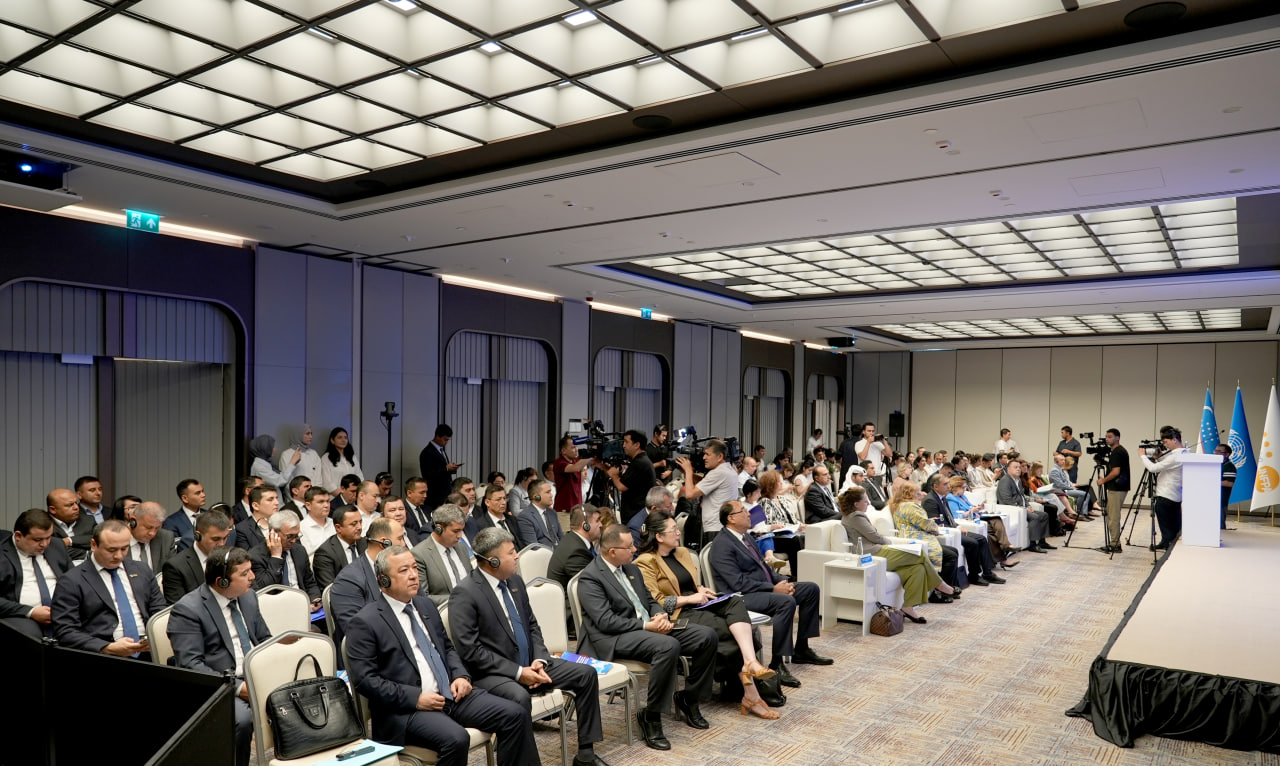
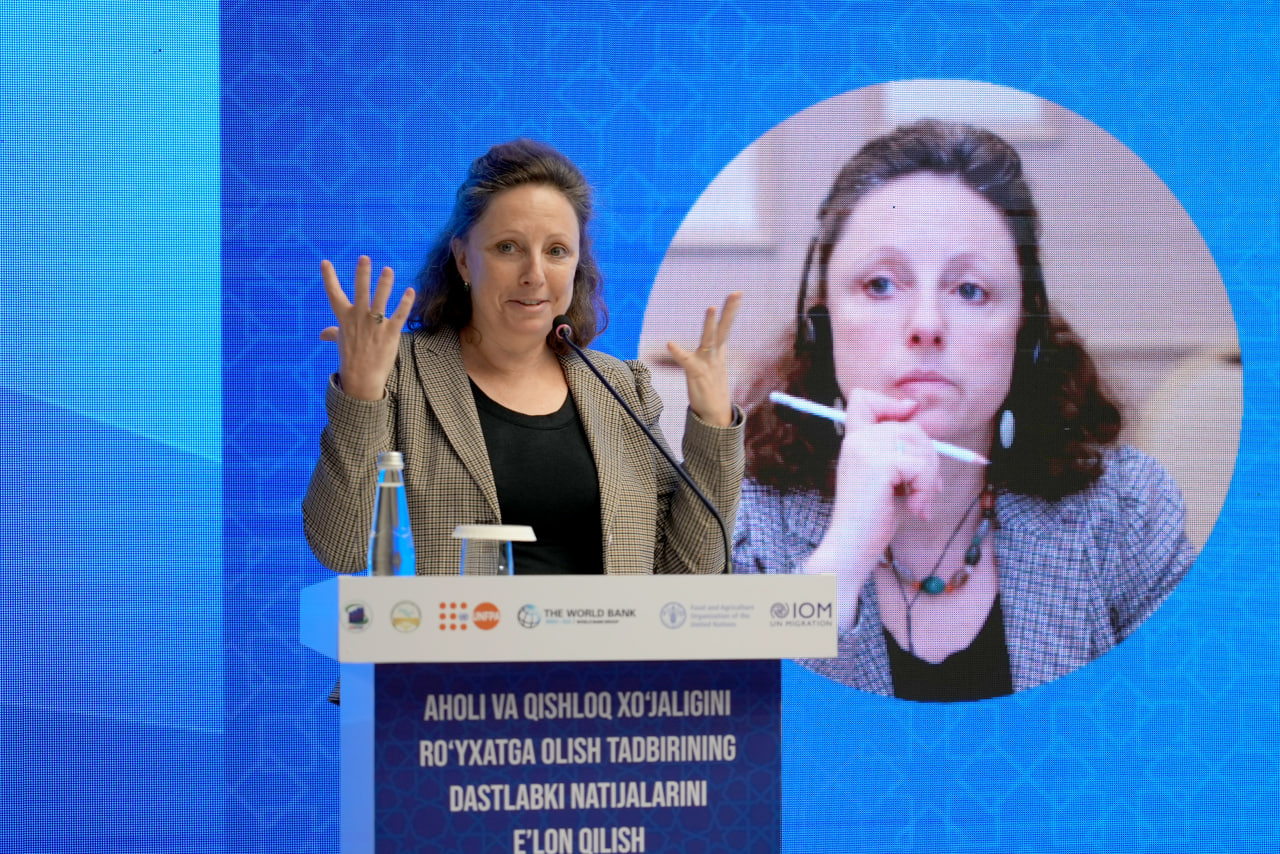
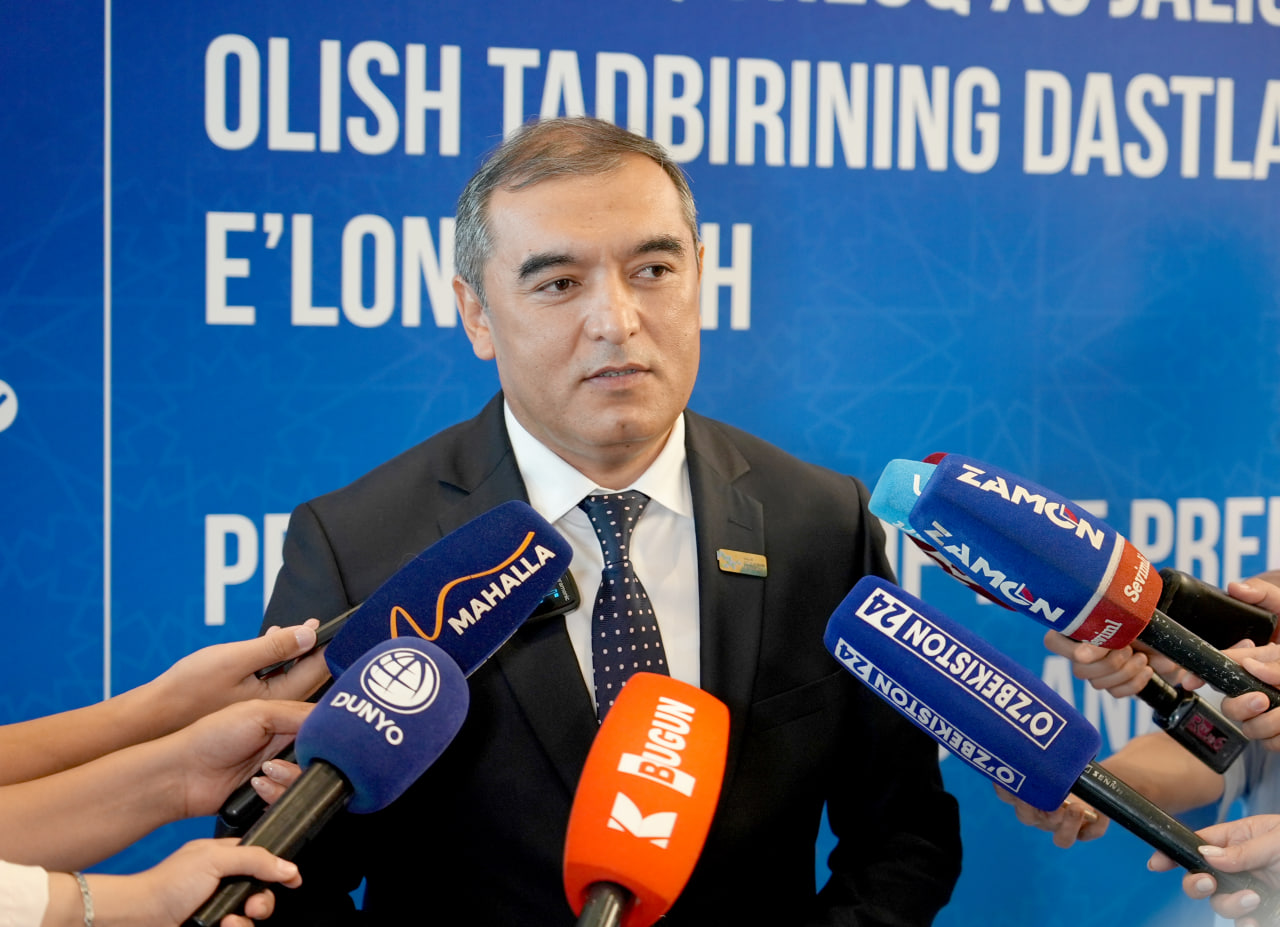
The conference was organized by the National Statistics Committee in cooperation with the United Nations Population Fund (UNFPA) Country Office in Uzbekistan. It was attended by representatives of government agencies, international partner organizations, experts, and members of the mass media. The event presented information on the preliminary outcomes of the census, the methodological approaches applied, the experience of using digital technologies, as well as the use of the collected data in developing government programmes and strategic decisions.
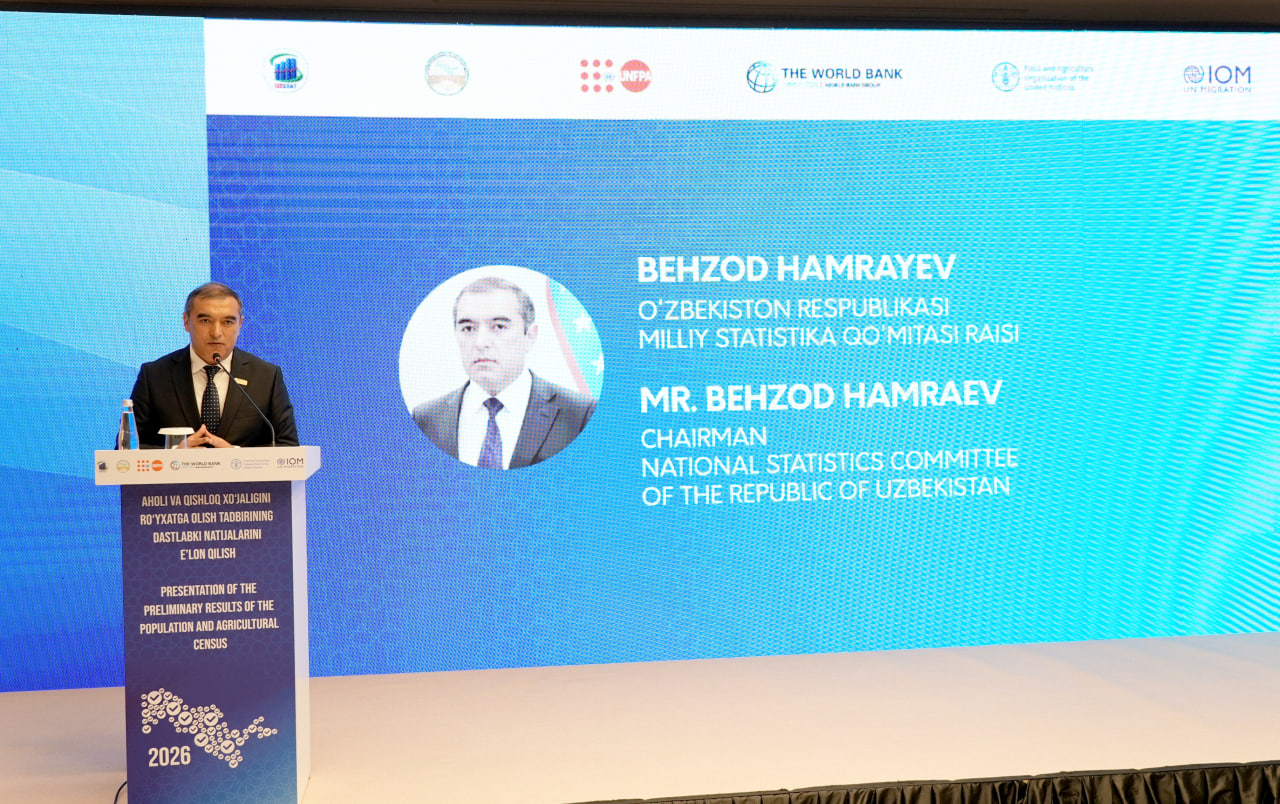
The population and agricultural census is a large-scale statistical process aimed at forming a reliable information base on the country’s demographic, socio-economic and agricultural situation. Through this exercise, important data were generated on the size of the population, its distribution by region, age and sex structure, living conditions, socio-economic status, as well as agricultural entities and resources.

According to the preliminary results, 82.3 percent of the population was covered through the online census. The remaining part of the population was enumerated by representatives of the “Mahalla Seven” through door-to-door visits using tablets.
According to the results of the post-enumeration survey, 97.3 percent of the total population was covered by the census, while 2.7 percent did not participate in the census process for various reasons. This is considered acceptable by international standards, as in some countries the share of non-covered population may reach 10 percent or more.

Special attention was also paid to cost efficiency in organizing the census. According to preliminary estimates, the cost of enumerating one person amounted to USD 0.12.
During the preparation and implementation of the census, geolocation data were formed for more than 8.2 million objects. These data make it possible to accurately account for settlements, residential units, agricultural facilities and other address-based units, and to work with precise territorial data in subsequent analyses.
More than 55 thousand members of the “Mahalla Seven” took part in ensuring the effective organization of the process at the local level. During the census period, the use of the OneID system also increased significantly. In particular, 2.1 million new users registered in the OneID system during this period.
In addition, a call centre was launched to provide prompt responses to citizens’ inquiries. During the census process, the call centre handled more than 2 thousand inquiries per day.
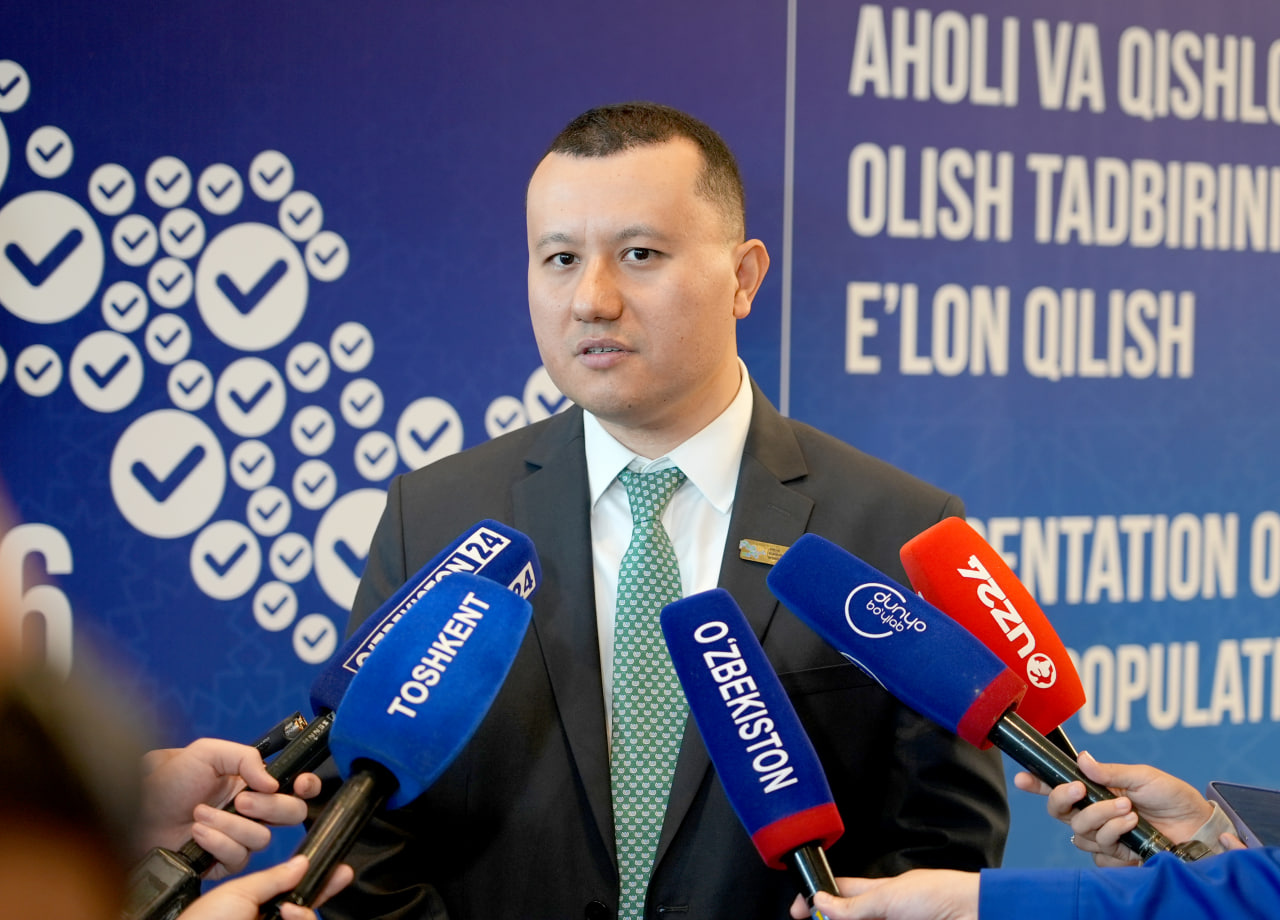
A broad information and outreach campaign was carried out to explain the purpose and significance of the census to the public and to encourage citizens’ active participation. In particular, general explanatory materials, animated videos, special video guides on completing census questionnaires, materials warning against fraud, videos on registration through the OneID system, as well as more than 10 videos prepared in cooperation with international organizations were produced and widely disseminated through the media and social networks. More than 30 briefings were held for citizens on the procedure for participating in the census, opportunities for online participation, completing the questionnaire and other related matters.
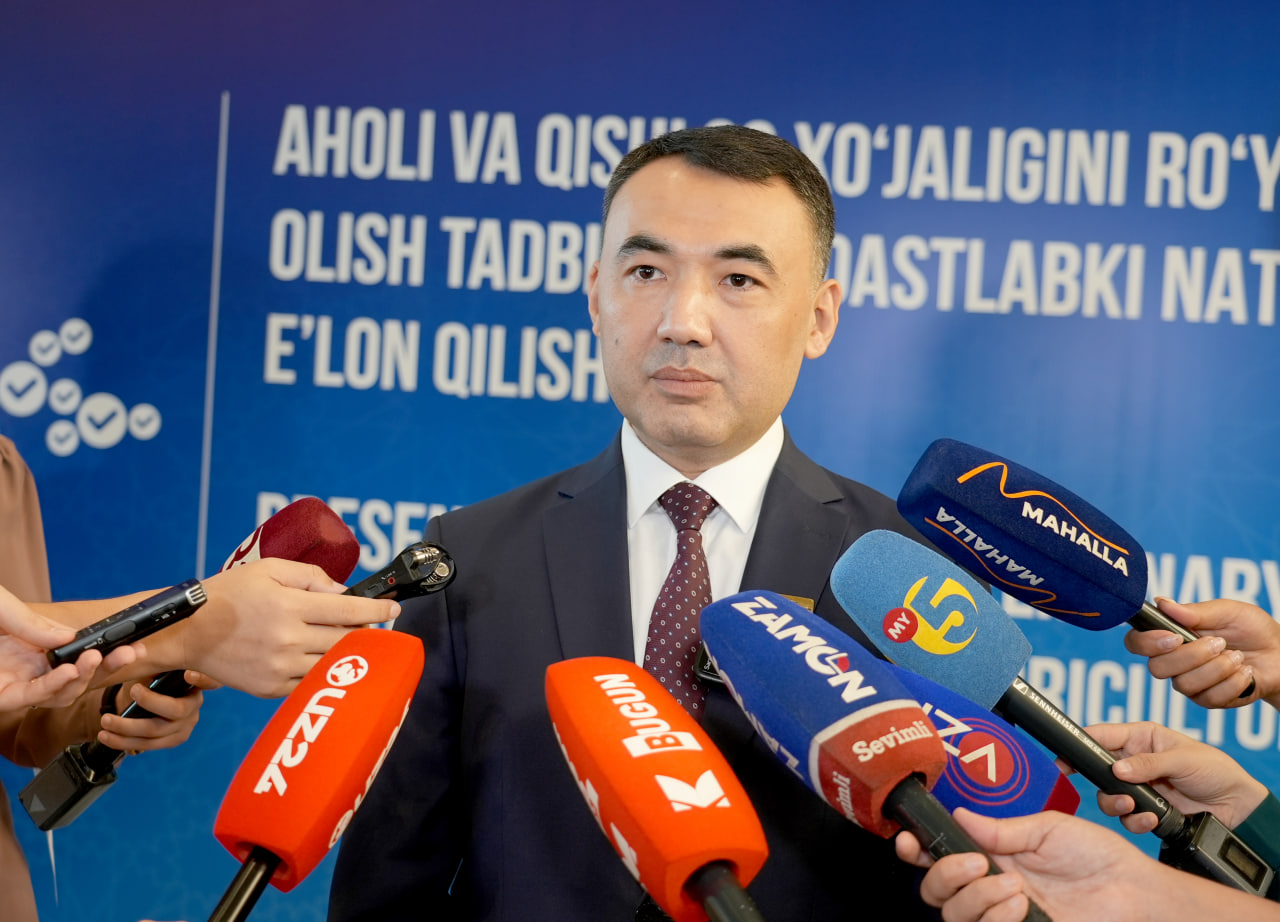
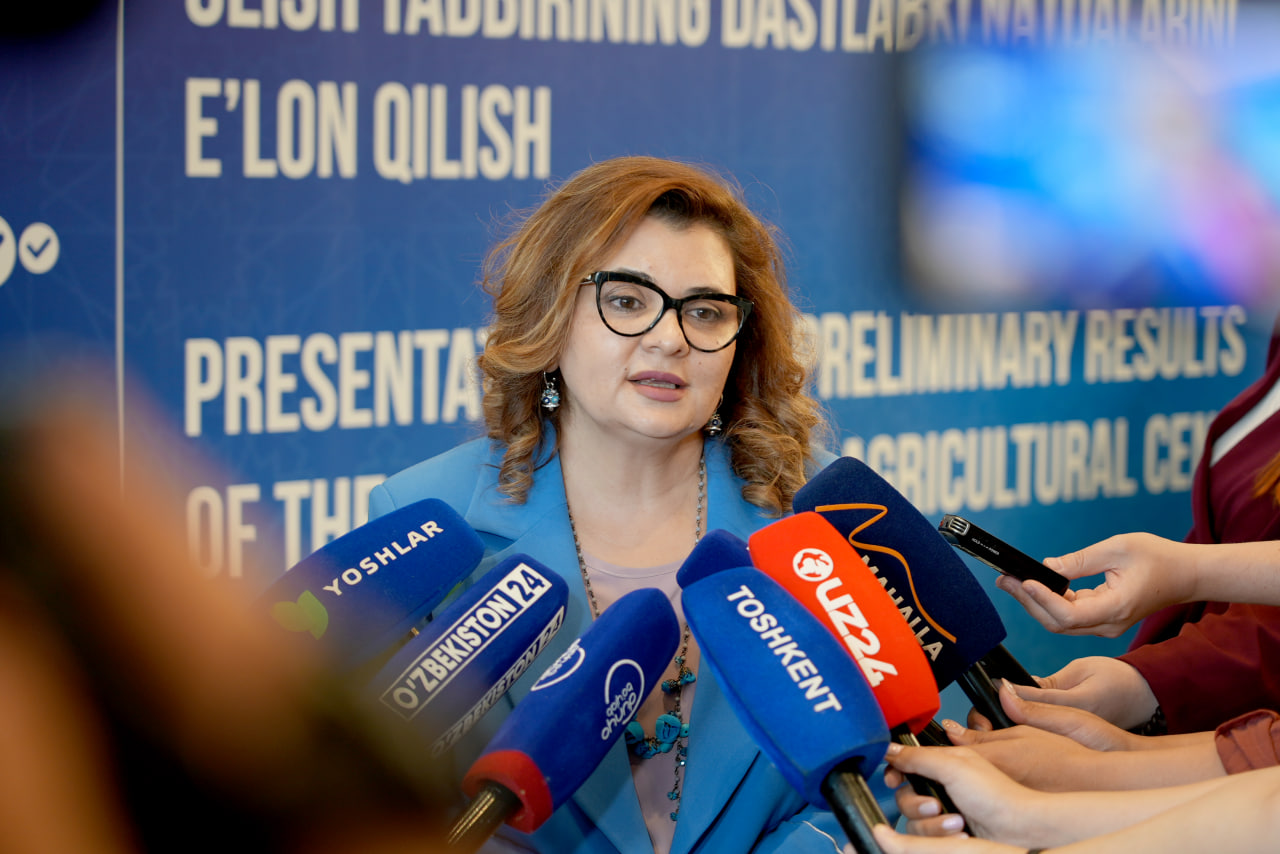
Across the country, 723 TV stories and reports on the census process were broadcast, around 19 thousand outreach materials were published in online media and social networks, and 184 articles and news items were published in newspapers. In addition, more than 100 promotional interviews were prepared with the participation of public figures, athletes, members of parliament, civil society activists and representatives of various sectors. Around 500 large banners and more than 30 thousand posters were placed in crowded public areas, while promotional videos were displayed on more than 400 LED screens.
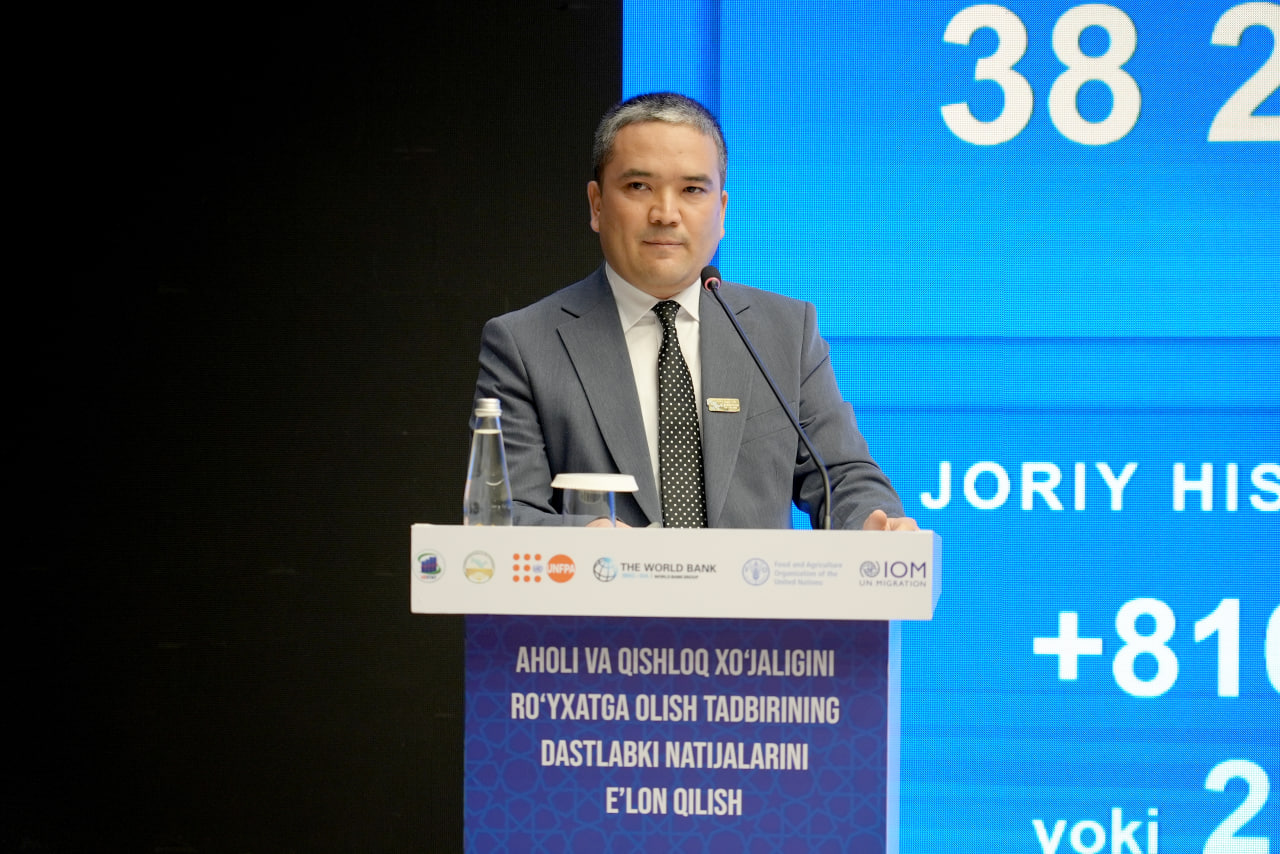
According to preliminary data, the population of Uzbekistan has doubled compared with the results of the 1989 census. While current statistical estimates put the country’s population at 38,236,704 people, the preliminary results of the census show that it reached 39,047,321 people. The difference amounted to 810,617 people. By sex, the number of men stood at 19,766,166, while the number of women was 19,281,155.
The census also covered 56.9 thousand foreign citizens who have been residing in Uzbekistan for more than one year. The majority of them were citizens of India, Russia and Kazakhstan.
According to the preliminary census results, the ethnic composition of the population was as follows: Uzbeks — 89.4 percent, Tajiks — 3.3 percent, Karakalpaks — 2.2 percent, Kazakhs — 1.8 percent, Russians — 1.6 percent, Kyrgyz — 0.6 percent, Turkmens — 0.5 percent, and other ethnic groups — 0.6 percent. A total of 35.7 million people, or 91.3 percent of the population, indicated Uzbek as their native language, which is 1.9 percentage points higher than the share of ethnic Uzbeks — 89.4 percent.
According to the results of the agricultural census, the areas under annual crops were found to be 23.0 percent higher, orchards and vineyards 18.8 percent higher, greenhouses 2.2 percent higher, and fishponds 15.0 percent higher. Significant changes were also observed in livestock indicators. In particular, compared with current estimates, the number of cattle was found to be 14.9 percent lower, sheep and goats 6.2 percent lower, and horses 11.2 percent lower, while the number of poultry increased by 12.7 percent.

The results of the population and agricultural census will make it possible to analyze demographic changes, assess the distribution of the population across regions, identify infrastructure needs, make targeted decisions on living conditions and socio-economic indicators, and conduct relevant analytical studies.As noted at the conference, the census results will support more accurate and targeted planning in government programmes, regional development strategies, infrastructure projects, and in the areas of education, healthcare, employment, social protection and agriculture.

Preliminary census data will be regularly published on the official website of the National Statistics Committee, as well as on its official social media pages.